Remember the last time you walked into a hotel room? The generic art, the thermostat set to a mysterious “energy-saving” temperature, the TV guide you had to decipher. It was fine. But it wasn’t yours. That disconnect—that one-size-fits-all approach—is about to become a relic of the past.
Honestly, the future of hospitality is hurtling toward us, and it’s powered by a quiet conversation between Artificial Intelligence (AI) and the Internet of Things (IoT). Imagine a room that doesn’t just wait for you, but prepares for you. This isn’t science fiction; it’s the next frontier in guest experience. Let’s dive in.
Beyond the Thermostat: What AI and IoT Actually Do Together
First, a quick demystification. IoT devices are the “senses” of the room—smart speakers, connected thermostats, motion sensors, even smart mirrors. They gather data. AI is the “brain.” It processes that data, learns patterns, and makes decisions. Put them together, and you get a living, learning environment.
It’s less like a robot butler and more like a thoughtful host who notices the little things. The host who remembers you like the room at 72 degrees after 8 PM, that you always ask for extra pillows, and that you prefer waking up to jazz, not a blaring alarm.
The Seamless Arrival: No Check-In, Just “Welcome Home”
Here’s the deal. The personalization starts before you even swipe your digital key. Based on your past stays or pre-arrival preferences via an app, the room sets itself up. Your preferred lighting scene—maybe “warm and relaxed”—fades up as you enter. The connected blinds adjust to let in your ideal amount of light. A welcome message with your name appears on the smart display. It’s subtle, but it instantly signals: this space is for you.
And that’s just the baseline. The real magic is in the adaptive learning during your stay.
The Learning Room: How Personalization Evolves in Real-Time
This is where it gets interesting. Static preferences are one thing. But a room that adapts? That’s the game-changer.
- The Climate That Follows You: IoT sensors detect when you’ve left the room and shift to an energy-saving mode. But they also learn your active hours. Maybe you like it cooler to sleep. The AI notes the time you usually turn down the thermostat and starts doing it for you by the second night.
- Context-Aware Amenities: You plug in your laptop at the desk. The smart lighting system automatically brightens that specific zone, reducing eye strain. You pick up the in-room tablet and browse local Italian restaurants. Later, the smart TV might suggest a classic Fellini film or display a promo for the hotel’s own pasta-making class.
- Proactive Comfort & Service: This is a big one. The minibar sensor notes you’ve taken the last bottle of sparkling water. The AI can prompt a refill order to housekeeping before you even think to call. Or, say the room microphone (with privacy protocols, of course) detects a cough. The AI could gently suggest ordering honey and tea via the room interface.
The Privacy Paradox: Personal, Not Creepy
Okay, let’s address the elephant in the smart room. This level of data collection rightfully raises eyebrows. The winning hotels of the future will master transparency and control. Guests will have clear, simple opt-ins. They’ll own their data profiles, able to view, edit, or delete them. The interface will be upfront: “We noticed you enjoy a cooler room at night. Would you like us to automate this for you?” Consent is the new currency of luxury.
A Glimpse at the (Near) Future: What’s Next?
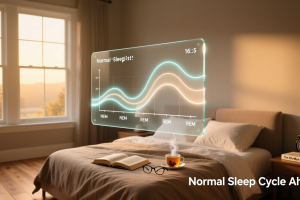
We’re already seeing smart speakers and connected lights. But the next wave? It’s deeply integrated. Think biometric mirrors that suggest skincare routines based on the local climate, or AI-powered art frames that display artwork aligned with your mood, detected through… well, your interaction patterns. Sleep technology will be huge—mattresses with IoT sensors that track sleep quality and adjust firmness or room humidity accordingly.
Honestly, the potential is vast. Here’s a quick look at the evolution:
| Phase | Technology | Guest Experience |
| Now | Basic IoT, App Control | Manual control of lights/TV via phone. Set-and-forget preferences. |
| Near Future (1-3 yrs) | Integrated AI, Predictive Analytics | Room anticipates needs (climate, lighting). Proactive service suggestions. |
| Horizon | Biometric & Ambient Sensing | Holistic wellness integration. Truly ambient, invisible customization. |
The Human Touch in a High-Tech World
Here’s a crucial point: this isn’t about replacing people. It’s about freeing them. When a guest’s basic comfort and routine are handled seamlessly by the room, hotel staff are liberated from transactional tasks. They can focus on what humans do best: genuine connection, creating memorable experiences, and handling complex requests that no AI could ever manage. The concierge has more time for a detailed local recommendation. The front desk isn’t bogged down by thermostat complaints.
The best hospitality will always be a blend. The AI and IoT devices handle the predictable, the personal, the procedural. The human staff deliver the unexpected, the empathetic, the magical. That’s the real synergy.
So, the future of the hotel room? It’s not just a place to sleep. It becomes a responsive partner in your travel experience. It learns, it adapts, and it fades into the background—creating a sense of effortless belonging that, until now, was only possible at home. That sense of belonging, you know, is what every traveler is secretly looking for. And technology, thoughtfully applied, might just be the unexpected key to delivering it.