Let’s be honest. In a world of cookie-cutter chains, boutique hotels survive—and thrive—on personality. That personality is no longer just about a chic lobby or fancy linens. It’s about telling a story. And right now, the most compelling story a boutique hotel can tell is woven from two powerful threads: forward-thinking interior design and genuine, deep-rooted local art integration.
It’s not just decoration. It’s a vibe. A feeling of place. Guests aren’t just looking for a room; they’re hunting for an experience that feels both Instagrammable and intimately real. So, how are today’s most talked-about properties pulling this off? Let’s dive in.
The Current Landscape: Key Boutique Hotel Interior Design Trends
Forget the stark minimalism of the 2010s. The current mood is richer, more textured, and honestly, a bit more soulful. Here’s what’s shaping spaces right now.
Biophilic Design Goes Beyond a Potted Plant
This is huge. It’s about blurring the line between inside and out. We’re talking living green walls in the atrium, reclaimed wood with the grain still telling its history, stone basins, and an abundance of natural light. The goal? To lower stress and boost well-being. A guest feels it instinctively—the calm that comes from organic shapes and materials.
The “Resimercial” Comfort Revolution
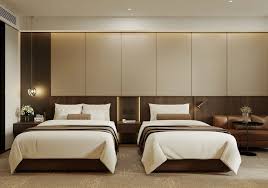
A clunky word for a brilliant idea: making a hotel room feel like a cool, collected home. Designers are mixing residential-scale furniture, soft, layered lighting (goodbye, harsh overheads!), and curated bookshelves. It’s the opposite of a sterile space. You might find a unique, comfy armchair you’d want in your own living room or a vintage writing desk. It’s all about curated comfort.
Textural Layering and Earthy Palettes
Visual interest now comes from touch as much as sight. Think bouclé upholstery against rough-hewn plaster, nubby linen curtains, smooth ceramic lamps, and sleek metal details. The color story follows suit: warm terracottas, deep ochres, soothing sages, and creamy off-whites. It’s a palette that feels grounded and inviting.
Bold, Architectural Lighting as Art
Lighting fixtures are no longer an afterthought. They’re statement pieces—sculptural works that define a space. A dramatic, one-of-a-kind chandelier in the stairwell or artisan-crafted sconces by the bed become focal points. They provide light, sure, but they also scream intentional design.
Beyond the Gallery Wall: Integrating Local Art Authentically
Here’s where the magic really happens. Slapping some local landscapes on the wall is the old playbook. Today’s integration is immersive, collaborative, and frankly, more interesting.
The strategy has shifted from “decoration with local art” to “dialogue with the local creative community.” It’s a partnership, not a purchase order.
Commissioned Pieces for Site-Specific Stories
Forward-thinking hotels commission artists to create works for the space, not just to fill it. A mural in the elevator that reflects the city’s street art scene. A textile installation in the restaurant inspired by regional flora. This approach guarantees uniqueness and gives the artist a meaningful platform—a win-win.
Art That Guests Can Engage With (And Buy)
Why just look when you can interact? Some hotels feature rotating exhibits from a nearby co-op gallery, with QR codes linking to the artist’s bio and online store. Others host quarterly artist residencies, where the creator works in a public space of the hotel. It turns the stay into a dynamic cultural event.
Functional Art and Craft Partnerships
Art isn’t just for the walls. It’s in the ceramics used at breakfast, the hand-blown glassware at the bar, the woven throw on the bed. Partnering with local potters, glassblowers, and textile artists embeds the local craft narrative into the very fabric of the guest experience. Every touchpoint tells a part of the story.
The Seamless Blend: Where Design Trends Meet Local Flavor
The real alchemy happens when these two concepts—global design trends and hyper-local art—fuse seamlessly. It’s not a checklist; it’s a philosophy.
Imagine a guest room rooted in biophilic design and the resimercial trend. The walls are a warm plaster tone. The bedding is textured linen. And then, the art: a large-scale photographic print of a nearby, lesser-known forest path, shot by a local photographer. The connection to this place is immediate, yet the design feels globally current.
Or consider the lobby. A sculptural, architectural light fixture (a global trend) is crafted by a metal artist from the city’s old industrial district, using reclaimed materials from the area. The trend and the local story are literally the same object.
| Design Trend | Local Art Integration Idea | Guest Takeaway |
| Textural Layering | Hand-woven tapestries from a nearby weaving collective used as headboard art or room dividers. | Tactile connection to local craft heritage; a unique visual texture. |
| Earthy Color Palettes | Paintings or ceramics that use pigments sourced from local soils and minerals. | Color that literally comes from the land, creating a deep sense of place. |
| Bold Lighting as Art | Custom chandelier by a local glass studio, reflecting regional colors or shapes (like coastal blues or mountain peaks). | A functional centerpiece that is a conversation starter and a local artifact. |
The Why: It’s More Than Just Aesthetics
Sure, it looks good. But this approach solves real problems. For the traveler, it combats the “anywhere, USA” fatigue—offering a memorable, authentic stay they’ll rave about. For the hotel, it builds a powerful, defensible brand identity that’s hard to copy. And for the community? It provides vital economic and exposure support to the local creative economy, turning the hotel into a cultural hub, not just a place to sleep.
It answers a modern traveler’s silent questions: “What is this place about? Who lives here? What do they make?”
Crafting a Space That Whispers and Wows
In the end, the most successful boutique hotels understand that design trends provide the grammar—the current, comfortable language of space. But local art provides the poetry. The specific, soulful, surprising verse that makes the story worth listening to.
The next time you walk into a boutique hotel that makes you pause, look closer. Is it the curve of the sofa or the story in the sculpture? The truth is, you probably won’t be able to separate the two. And that’s the point. The future of boutique design isn’t just about looking at a place. It’s about feeling you’re truly in it.