You know that feeling when you walk into a hotel lobby and it’s… a lot? The music thumping, the chatter bouncing off marble floors, lights flickering from some avant-garde art installation. For many of us, it’s just background noise. For neurodivergent travelers — people with autism, ADHD, sensory processing differences, or anxiety — it can be a genuine barrier to rest.
But here’s the thing: hospitality is finally waking up. Not just to accessibility ramps and braille menus, but to the invisible stuff. The quiet stuff. I’m talking about silent hotel floors and sensory wellness retreats designed specifically for neurodivergent guests. And honestly? It’s about time.
What Exactly Is a “Silent Hotel Floor”?
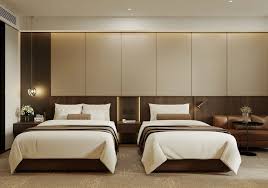
Let’s break it down. A silent floor isn’t just a “quiet zone” where people whisper. It’s a curated environment — from construction materials to operational policies — that minimizes auditory and visual overwhelm. Think of it like a sensory reset button.
These floors often feature:
- Carpeting with sound-dampening underlay (no echoing footsteps)
- Soundproofed walls and doors — seriously, you can’t hear the hallway
- Elimination of public announcements or hallway speakers
- Dimmable, warm-toned lighting in corridors and rooms
- Strict “no housekeeping before 11 AM” policies to avoid sudden knocks
- Optional blackout curtains and weighted blankets in the room
Some hotels even go a step further. They offer pre-check-in sensory questionnaires where you can specify triggers — like flickering lights, strong scents, or certain textures. It’s not just thoughtful; it’s revolutionary for anyone who’s ever had a meltdown over a surprise vacuum cleaner.
Why Neurodivergent Guests Need More Than a “Do Not Disturb” Sign
Here’s a reality check: standard hotel rooms are designed for neurotypical brains. The hum of the minibar, the buzz of the AC, the scratchy polyester sheets, the unpredictable housekeeping schedule — it’s a symphony of stressors. For someone with sensory sensitivities, it’s not just uncomfortable. It’s exhausting.
In fact, a 2023 study from the Journal of Autism and Developmental Disorders found that over 70% of autistic adults reported avoiding travel due to sensory overload in accommodations. That’s a massive gap in the market. And honestly, it’s a human one too.
Silent floors address the root cause: unpredictable sensory input. When you know the hallway will be quiet, the lights will be soft, and no one will knock unexpectedly — your nervous system can actually downshift. It’s like the difference between sleeping in a meadow versus sleeping next to a construction site.
But Wait — Isn’t This Just for “High-End” Travelers?
Not anymore. Sure, luxury brands like Marriott and Hilton have started piloting sensory-friendly floors in select properties. But mid-range chains are catching on too. Travelodge in the UK, for instance, introduced “quiet zones” with reduced lighting and no TVs in common areas. The key is scalability — and the demand is there.
Sensory Wellness Retreats: A Deeper Dive
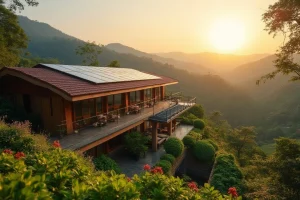
Now, silent floors are one thing. But sensory wellness retreats? That’s a whole different beast. These are dedicated spaces — often in nature — designed from the ground up for neurodivergent guests. They’re not just quiet; they’re therapeutic.
Imagine a retreat where:
- Every room has a “sensory menu” — choose from weighted blankets, fidget tools, noise-canceling headphones, or aromatherapy diffusers
- Meals are served in a low-stimulation dining room with optional silent seating
- Activities are self-paced: forest bathing, art therapy, or simply staring at a pond
- Staff are trained in neurodiversity awareness — no awkward questions, no judgment
One standout example is The Quiet Space in Cornwall, UK — a retreat that offers “sensory pods” with adjustable lighting, temperature, and soundscapes. Another is Mosaic Retreats in California, which runs weekend programs specifically for autistic adults and their families. The vibe? Unapologetically slow.
What’s on the Menu? (Literally)
Sensory wellness isn’t just about what you hear or see. It’s about taste and texture too. Many retreats now offer “safe foods” — plain, predictable options for guests with food aversions. No surprise spices, no “deconstructed” dishes. Just comfort. Some even let you pre-order meals days in advance to avoid decision fatigue.
| Retreat Feature | Why It Helps |
|---|---|
| Silent dining hours | Reduces auditory overload during meals |
| Weighted blanket library | Provides deep pressure stimulation for calming |
| No-scent policy | Avoids migraines and chemical sensitivities |
| Visual schedule boards | Reduces anxiety from unpredictability |
| Personalized lighting zones | Allows control over brightness and color temp |
The Business Case: Why Hotels Should Care
Let’s talk numbers for a second. The global neurodivergent population is estimated at 15-20% — that’s roughly 1 in 5 people. Add in family members, caregivers, and friends who travel with them, and you’re looking at a massive, underserved market. According to a 2024 report from Booking.com, 62% of travelers with sensory sensitivities said they’d pay more for a guaranteed quiet, predictable environment.
That’s not niche — that’s a goldmine. Hotels that invest in silent floors and sensory training aren’t just being kind. They’re being smart. Word-of-mouth in neurodivergent communities is powerful. One good experience can bring in a dozen more bookings.
But It’s Not Just About Profit
It’s about dignity. Travel should be restorative, not a gauntlet. When a hotel offers a silent floor, they’re saying: “We see you. We believe you. And we’ve designed this space so you can actually rest.” That’s a powerful message.
How to Choose the Right Retreat or Floor
So you’re sold on the idea. But how do you find the real deal versus a marketing gimmick? Here’s a quick checklist:
- Look for certifications. Some retreats are certified by organizations like Autism Travel or IBCCES. That’s a good sign.
- Read reviews from neurodivergent guests. Search for phrases like “quiet floor” or “sensory-friendly” on TripAdvisor or Reddit.
- Call ahead and ask specific questions. “Do you have blackout curtains? Can I request a room away from the elevator? Is there a scent-free policy?”
- Check for flexibility. Can you cancel last minute if you’re overwhelmed? Can you modify your room setup?
- Beware of “quiet” that isn’t enforced. A silent floor with no rules is just a regular floor with a sign.
And hey — don’t be afraid to ask for what you need. You’re not being high-maintenance. You’re advocating for your nervous system.
The Future of Neurodivergent Hospitality
I think we’re just scratching the surface. Imagine hotel chains with dedicated neurodivergent concierges — someone who understands sensory triggers and can adjust your room in real time. Or AI-driven room controls that learn your preferences: “lights at 30% at 8 PM, no scent, white noise at low volume.”
Some designers are even experimenting with biophilic elements — living walls, natural materials, and water features — to create a calming baseline. The idea is to make sensory wellness the default, not an upgrade.
But for now, silent floors and sensory retreats are a lifeline. They’re proof that hospitality can be truly inclusive — not just in theory, but in practice. In the hum of the AC, the softness of the carpet, the absence of a knock.
Because sometimes, the most luxurious thing you can offer someone… is silence.