Let’s be real for a second—traveling during peak season is kind of a grind. You know the drill: crowded airports, overpriced hotels, and that one guy elbowing you for a photo of the Eiffel Tower. But here’s the thing—off-season travel? It’s a whole different vibe. Quieter, cheaper, and honestly, more authentic. And the best part? You get to discover places that most people skip entirely. So, let’s dive into why traveling off-peak rocks, and some hidden gems you’ve probably never considered.
Why Off-Season Travel Is a Game Changer
I’ll admit—I used to think off-season meant bad weather or closed attractions. But that’s a myth. Sure, you might need a light jacket or deal with a bit of rain, but the trade-offs are massive. Here’s the deal:
- Lower costs across the board — Flights, hotels, even food can drop by 30-50%. Your budget stretches further.
- Fewer crowds — No queues for museums. No fighting for a beach towel. You actually have space to breathe.
- More authentic interactions — Locals are less stressed, more chatty. You might get invited to a family dinner or learn a hidden hiking trail.
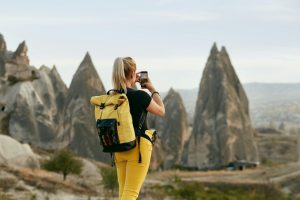
- Better photo ops — No strangers photobombing your sunset shot. Just you and the landscape.
And here’s a stat that’ll stick with you: according to a 2023 travel survey, off-season travelers save an average of 40% on accommodation compared to peak months. That’s not pocket change—that’s an extra week of travel.
The “Shoulder Season” Sweet Spot
If you’re nervous about total off-season (like, say, November in Iceland), try the “shoulder season.” That’s the period just before or after peak—like late September or early May. You get good weather, but fewer tourists. It’s the Goldilocks zone of travel. Honestly, I’ve had my best trips in shoulder season—like wandering through Tuscany in October when the vineyards are golden and the wine festivals are still going.
Overlooked Destinations That Shine Off-Season
Okay, so you’re sold on the benefits. But where to go? Sure, you could do Paris in January (it’s lovely, actually), but let’s talk about places that are genuinely underrated—and perfect for off-season exploration.
1. The Azores, Portugal (Winter)
Most people think of the Azores as a summer destination. But winter? That’s when the islands get dramatic. Think misty volcanic craters, steaming hot springs, and waves crashing against black cliffs. It’s moody, raw, and so photogenic. Plus, flights from the US and Europe drop to under $300 round-trip in January. You’ll have the trails to yourself—just you and the cows (yes, there are more cows than people).
2. Ljubljana, Slovenia (Late Autumn)
Ljubljana is often overshadowed by its neighbors—Venice and Zagreb. But in November, it’s a fairy tale. The castle gets dusted with fog, the riverside cafes serve mulled wine, and the Christmas market starts early without the crowds. You can explore the city’s art scene, hike to Lake Bled (which is eerily quiet), and eat štruklji for pennies. It’s like a secret Europe.
3. The Osa Peninsula, Costa Rica (Green Season)
Everyone flocks to Costa Rica’s Pacific coast from December to April. But the “green season” (May to November) is when the rainforest explodes with life. The Osa Peninsula—home to Corcovado National Park—is a biodiversity hotspot. Sure, it rains in the afternoon, but that’s when the monkeys come out. And you’ll pay half the price for a jungle lodge. Just bring a rain jacket and a sense of adventure.
4. Hokkaido, Japan (Early Spring)
Tokyo and Kyoto are packed year-round. But Hokkaido? In March, the snow is still deep (great for skiing), but the cherry blossoms start to peek through. You can soak in an outdoor onsen while snowflakes fall on your shoulders. Plus, the food—think fresh crab, miso ramen, and dairy farms—is incredible. It’s a quieter, more rustic Japan that most tourists miss.
How to Make Off-Season Travel Work for You
Alright, so you’re intrigued. But maybe you’re worried about logistics. Here’s some practical advice—stuff I’ve learned the hard way:
- Check seasonal closures — Some museums or tours shut down in off-season. A quick Google search saves disappointment.
- Pack layers — Weather can be unpredictable. A lightweight waterproof jacket and a warm sweater are your best friends.
- Book flexible accommodations — Off-season means fewer options, but also better deals. Use sites with free cancellation.
- Embrace the rain — Honestly, some of my best memories are from rainy days—like a spontaneous cooking class in a tiny Italian village.
- Talk to locals — Off-season is when locals have time to chat. Ask them what’s good to eat or where to hike. You’ll get insider tips.
Comparing Off-Season vs. Peak Season: A Quick Table
| Aspect | Peak Season | Off-Season |
|---|---|---|
| Cost | High (flights, hotels, tours) | Low (up to 50% savings) |
| Crowds | Overwhelming | Sparse, peaceful |
| Weather | Predictable, often hot | Variable, but unique |
| Local vibe | Tourist-focused, rushed | Relaxed, authentic |
| Photo opportunities | Full of strangers | Yours alone |
See the pattern? Off-season isn’t a compromise—it’s a trade-up. You trade a little predictability for a lot of magic.
A Few More Hidden Gems to Consider
I can’t list them all, but here’s a quick fire round of places that deserve your attention off-season:
- Matera, Italy (Winter) — The ancient cave city is hauntingly beautiful when it’s quiet. And the local bread? Unreal.
- Salta, Argentina (May-June) — The dry season in the northwest. Wine country, colorful mountains, and zero crowds.
- Nepal’s Annapurna Circuit (October-November) — Wait, that’s peak? Actually, late November is shoulder season—clear skies, fewer trekkers.
- Brittany, France (September) — The coast is still warm, the crêperies are open, and the Celtic festivals are in full swing.
Each of these places has a rhythm that changes with the seasons. You just have to show up when no one else does.
The Real Payoff of Off-Season Travel
Here’s the thing—traveling off-season isn’t just about saving money or avoiding lines. It’s about slowing down. It’s about sitting in a nearly empty piazza, sipping espresso, and watching the clouds roll over a mountain. It’s about having a conversation with a fisherman because there’s no rush. It’s about feeling like you’ve stumbled into a place that’s still yours, even if just for a moment.
And honestly, that’s rare these days. The world feels crowded. But off-season travel gives you a little pocket of solitude. A chance to see a destination for what it really is—not the version curated for Instagram.
So, next time you’re planning a trip, think about the shoulder months. Or the rainy season. Or the “dead” winter. You might just find your new favorite place—and a version of yourself that’s more patient, more curious, more alive.
Because the best travel stories? They’re not the ones you planned perfectly. They’re the ones that happened when you weren’t looking.